

If you have loved animals since childhood, people have likely been telling you, “You should be a vet!” since you can remember. It seems like the “standard” answer. However, as professional education consultants, we often see dedicated students discover midway through vet school that this “dream job” is vastly different from what they imagined.
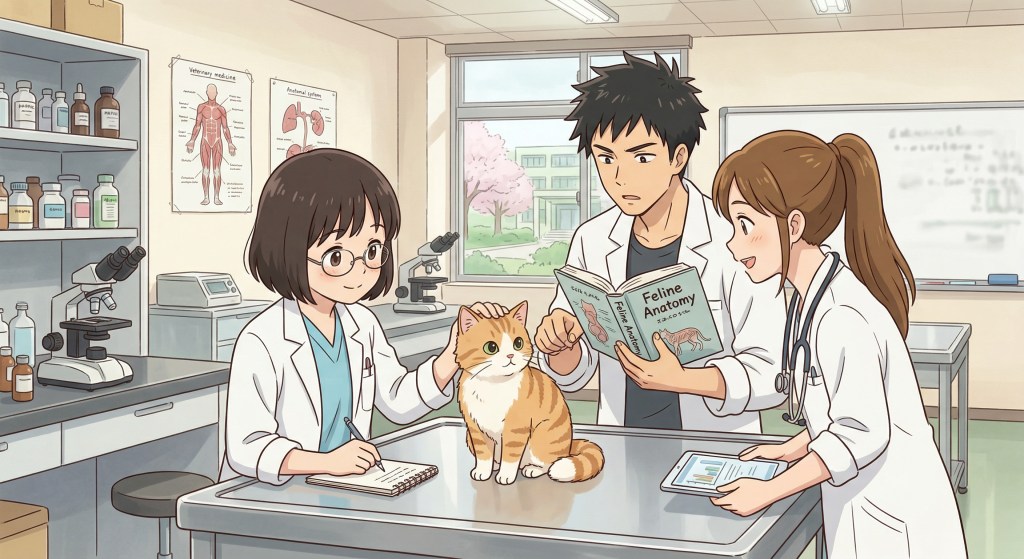
Before committing to 5 or 6 years of high-intensity medical training in the UK or Australia, ask yourself one core question: Do you want to be a “Doctor,” or do you want to work “with animals”?. There is a significant difference between the two in the professional world.
The “Gritty” Reality of Vet Med: What They Don’t Tell You
While veterinary medicine is a prestigious and rewarding scientific field, the transition from classroom to clinic can be jarring.
The Human Element
It is often said that half of a vet’s job is dealing with “people”. You are the bridge between the patient (the animal) and the owner. This requires high emotional intelligence (EQ) to explain complex diagnoses, discuss treatment costs, and lead difficult conversations during highly emotional moments.
You Can't Only Work With Cute Animals
In most UK and Australian programs, you are trained as a “General Practitioner”. You must be comfortable performing rectal exams on cows in cold farms or treating reptiles, not just cuddling puppies. If your passion is strictly for pets, the livestock and equine components of the degree may feel like a major disconnect.
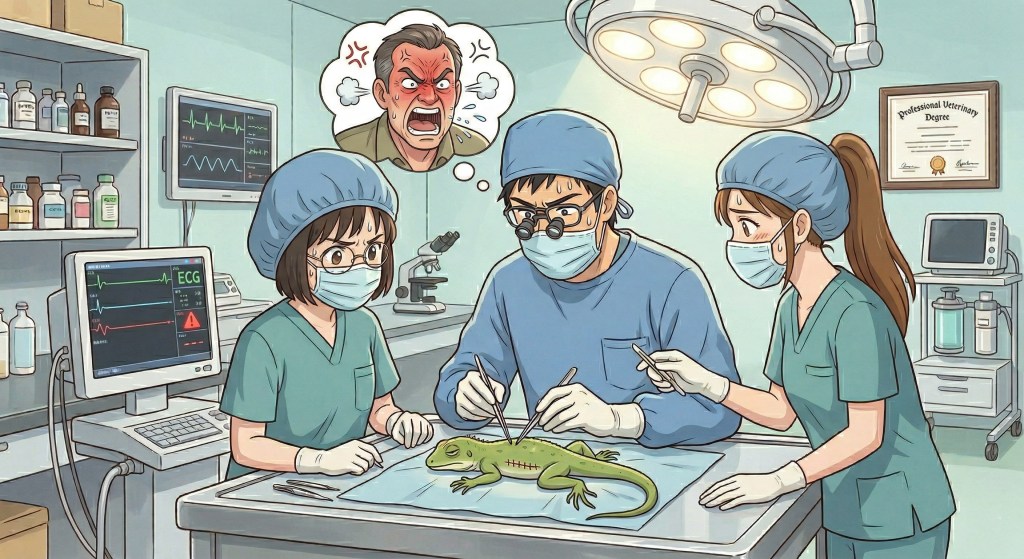
The Surgical Pressure
Vets are medical practitioners and surgeons. If a high-pressure operating room or the sight of blood makes you uneasy, the vet path will be incredibly challenging. Many students realize too late that they actually love “biological science”—understanding evolution or nutrition—rather than frontline surgical repair.
Why “Animal Science🐾” is Booming in 2026
Beyond passion, ‘reality’ is an indispensable part of career planning.
If you love science but find the clinical environment daunting, you might be a perfect candidate for Animal Science or Zoology. These are not “backup” degrees for those who didn’t get into vet school; in 2026, they are high-tech, essential careers:

Sustainable Food Systems
Researching how to feed the global population while protecting animal welfare.
Wildlife Conservation
Experts are needed to manage ecosystems from the Great Barrier Reef to the UK Highlands.
Animal Psychology
The pet industry has shifted toward “positive reinforcement,” and professional behavior analysts are in high demand.
Biosecurity
Governments are actively recruiting experts to protect borders from invasive species and diseases.
ROI Comparison: 2026 Career Outlook 📈
Many assume that being a vet is the only way to secure a lucrative starting salary. However, 2026 projections suggest a different story. While vets have a higher salary ceiling , when you factor in the 5-6 years of intensive study , high tuition costs, and a high-stress working environment , a 3-year Animal Science degree offers a highly competitive Return on Investment (ROI).
In short, Animal Science graduates can enter the workforce and start earning 2-3 years earlier than vets , while enjoying a more stable income and better work-life balance early in their careers. Let’s look at the numbers to compare the cost-effectiveness of these two paths:
| Feature | Veterinary Medicine | Animal Science / Zoology |
|---|---|---|
| Duration | 5-6 Years | 3 Years |
| Starting Salary (UK) | £32,000 – £36,000 | £26,000 – £32,000 |
| Starting Salary (AU) | $90,000 – $115,000 | $78,000 – $95,000 |
| Work-Life Balance | High pressure, on-call, weekend overtime | Stable hours or fieldwork |


Professional Registration & Placements: The Freedom Gap 🕊️
One of the most critical differences between these paths is the “unpaid labor” and licensing required before you can earn a paycheck.
The Clinical Path 🩺 (Veterinary Medicine)
- Mandatory Licensing: You must be registered with the Royal College of Veterinary Surgeons (RCVS) in the UK or a state Veterinary Surgeons Board (VSB) in Australia. Without this license, you cannot legally treat animals.
- The Placement Burden: In the UK, you must complete 20 weeks of Extra-Mural Studies (EMS) during your holidays. This is largely unpaid and mandatory for graduation.
The Scientific Path 🔬 (Animal Science & Zoology)
- Immediate Workforce Entry: Animal science graduates can start their careers the day they graduate without a statutory license or mandatory “unpaid internship hours”.
- Voluntary Registration: While not legally required, graduates can enhance their CV by joining professional bodies like the Royal Society of Biology (RSB) or the Australian Society of Animal Production (ASAP). These serve as a “seal of excellence” for employers.
🛡️ Strategy: The “Backup” Plan as a “Best Plan”
Starting with a 3-year Bachelor of Animal Science can be a smart move:
Low-Risk Exploration: It allows you to understand the industry without an initial 6-year commitment.
Post-Graduate Route: If you still aspire to be a clinician, you can apply for a 4-year Doctor of Veterinary Medicine (DVM) at top schools like the University of Sydney, University of Melbourne, or the Royal Veterinary College (RVC).
Did You Know ⁉️
Fun Animal Science Facts (Flip The Cards 👉 )
Chemical Barcodes 𝄃𝄃𝄂𝄂𝄀𝄁𝄃𝄂𝄂𝄃
Chemical Barcodes 𝄃𝄃𝄂𝄂𝄀𝄁𝄃𝄂𝄂𝄃
Scientists at the University of Liverpool found that animals use specific proteins to create a “chemical barcode” in their scent, allowing them to broadcast their health, status, and personality to others from a distance.
Koala Fingerprints
Koala Fingerprints
Research at the University of Adelaide found that Koala fingerprints are nearly identical to humans, making them difficult to distinguish even under a microscope.
AI Animal Translators 🌐
AI Animal Translators 🌐
In 2026, behaviorists are using AI to decode animal calls, successfully tracking the endangered Eastern Bristlebird in Australia.
The Healing Power of 😺 Purrs
The Healing Power of 😺 Purrs
Science shows cat purrs (25-150Hz) can actually promote human bone repair and tissue regeneration.
How AAS Can Help You Find the Right Direction 🤝
At AAS, we ensure you don’t spend years and high tuition on a degree that doesn’t fit your personality or life goals.
Professional Career Diagnosis: Helping you decide if you belong in a clinic, a lab, or the wild.
1-on-1 Consultation: We plan your future together so you don’t choose blindly.
DVM Entry Guides: Want to know the specific requirements for post-graduate vet programs in the UK or Australia? We have the latest guides.
